Headphones vs Speakers for a Small Gaming Desk: Making Space and Comfort Work
Setting up a small gaming desk means juggling a surprisingly complex puzzle of space, ergonomics, and comfort. Among the top considerations is your audio setup: Should you go for headphones (a headset setup) or desktop speakers? The answer isn’t as simple as “headphones save https://highstylife.com/cable-clips-vs-cable-sleeves-which-looks-cleaner-for-desk-cable-management/ space.” It’s about thoughtful design around what you actually use every day, not hypothetical future gear you might buy one day.
In this post, we’ll walk through crucial factors like desk depth, viewing distance, chair clearance, and small-space ergonomics, informed by research and expert recommendations from the Chartered Institute of Ergonomics & Human Factors (CIEHF). We’ll also bring in practical solutions from DimensionzHub.com and MRQ (mrq.com), focusing on tools like monitor arms and wall-mounted shelves to optimize your setup.
Why Your Gaming Desk Audio Setup Should Start with What You Actually Use
gaming setup spaceBefore diving into gear options, ask yourself: what do you actually use every day? Sometimes people plan around a future shopping list — a high-end surround speaker system they hope to add, or an ultra-luxe headset they’ll upgrade to next year. But designing a gaming desk around wishlist gear often leads to clutter or wasted space.
DimensionzHub.com emphasizes starting with your current essentials. For most small desk owners, that means a reliable headset for private, immersive sound or a compact pair of desktop speakers that won’t overwhelm your limited surface area.
Ask yourself:
- Do I typically game with others or solo?
- Is hearing external sounds or communicating with teammates important?
- How much desk space do I realistically have after my monitor, keyboard, and mouse?
- What’s my chair’s clearance and movement space around the desk?
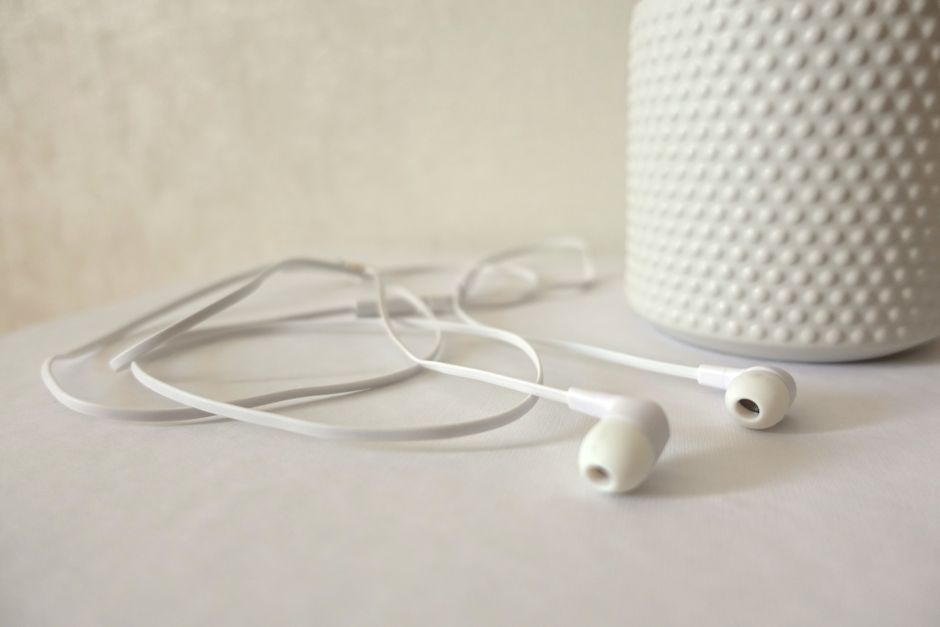
Headphones (Headset Setup): The Space-Saving Champion?
Headphones, especially gaming headsets, often feel like the quick fix for save desk space audio concerns. They fit neatly on a stand or hook, keeping your desktop clear. But there’s more to consider than just surface area.
Pros of Headphones for Small Gaming Desks
- Minimal desktop footprint: No speakers taking valuable space on your desk surface.
- Focused sound: Great for immersion and hearing subtle in-game cues without distractions.
- Communication: Built-in microphones make team chat simple.
- Reduced noise spill: Neighbors or roommates less likely to hear your game sounds.
Considerations for Headphones and Desk Ergonomics
CIEHF research reminds us to think beyond just size but about comfort and movement. If your desk depth is shallow (< 24 inches or 60 cm), having a headset stand or wall hook mounted just off the desk can help keep your surface clear. Pairing your headset with a monitor arm frees up key space and lets you optimize your viewing distance.
- Chair clearance: Headsets don’t crowd your desktop, making it easier to push your chair in fully and move freely.
- Comfort breaks: Wearing a headset for long sessions needs good fit and regular breaks, something often forgotten in small setups.
- Easy access: Mounting your headset with hooks on wall-mounted shelves or your monitor arm’s VESA mount keeps it handy but out of the way.
Desktop Speakers: Space and Sound Trade-Offs
If you prefer speakers for richer audio or don’t want the fatigue of wearing headsets, desktop speakers remain a valid option. Yet, desktop speaker space quickly becomes a premium on small desks, especially given the recommended placement for good sound quality.

Ergonomic Placement and Desk Depth for Speakers
The Chartered Institute of Ergonomics & Human Factors points out that speakers perform best when placed symmetrically and some distance apart, generally matching your ear distance (around 18-24 inches or 45-60 cm). Your viewing distance—often 20-28 inches (50-70 cm) on a gaming desk—also affects placement.
This means your desk needs enough depth to situate speakers without crowding your keyboard or monitor. Many small desks have a surface depth below 24 inches, making speaker placement tricky without sacrificing reach and comfort.
How to Fit Speakers on a Small Desk
- Use wall-mounted shelves: Helpful to raise your speakers off the desktop surface, freeing space below and positioning them closer to ear level.
- Compact speakers: Look for smaller bookshelf speakers or soundbars designed for desks, ideally no wider than 8-10 inches (20-25 cm) each.
- Monitor arms: By lifting your monitor, you free up space on the desk front for speakers without sacrificing viewing angle or distance.
- Chair clearance: Speakers on your desk edges should not impede your chair’s full movement range. Test pushing your chair under the desk fully before committing.
Comparing Headphones vs Speakers: What Works Best on Small Gaming Desks?
Criteria Headphones (Headset Setup) Desktop Speakers Desk Space Used Minimal (requires stand or hook) Moderate to High (depends on speaker size and placement) Sound Immersion High (isolated sound, great for focused gaming) Moderate to High (may lack isolation, but natural ambience) Ergonomics and Comfort Requires comfortable fit and breaks; less desktop clutter to navigate Speakers must be carefully placed to avoid cluttering or impacting chair space Communication Built-in microphones ease team chat Requires separate mic or headset for chatting Noise Impact Minimized external noise disturbance Sound spills to surrounding rooms, which may be distractingIntegrating Your Audio Setup with Practical Tools from DimensionzHub.com and MRQ
To maximize your small gaming desk’s efficiency, DimensionzHub.com recommends pairing your audio choice with smart accessories:
- Monitor Arms: These free up desk space by raising your screen, enabling better alignment with speakers or room for headset stands on your desk.
- Wall-Mounted Shelves: Shelves above or beside your desk can hold speakers, or act as a base for headset hangers, keeping surfaces clear and accessible.
MRQ (mrq.com) highlights ergonomics in small spaces, urging users to consider chair clearance carefully. No matter how compact your desk, if your headset stand or speakers interfere with pushing the chair fully under the desk, your setup won’t feel comfortable during longer sessions.
Final Recommendations: Designing Your Small Gaming Desk Audio for Real Use
- Evaluate your current gear: What headset or speakers do you already own? Use them efficiently before investing in new equipment based solely on desk aesthetics.
- Measure your desk depth and width: Know exactly how much surface area is truly available after monitor, keyboard, and mouse placement. Less than 24 inches depth calls for careful consideration.
- Plan for chair clearance: Keep the area under and around your desk clear to allow free movement without knocking over gear or cramping your legs.
- Use ergonomic tools: Monitor arms and wall-mounted shelves are game changers for optimizing audio placement and reclaiming desk space.
- Prioritize daily use comfort: Remember long sessions need comfortable gear and easy reach. Headphones often win on space and isolation, while speakers can enhance social gaming if space allows.
Ultimately, the smart choice balances the realities of your current gear, your desk’s measurements, and your ergonomic comfort. By designing your small gaming desk around what you actually use every day, rather than hypothetical future purchases, you’ll create a cleaner, more functional setup built to last.
For more ergonomic tips and quality gear recommendations tailored to small gaming desks, check out DimensionsHub.com and MRQ's insightful guides.